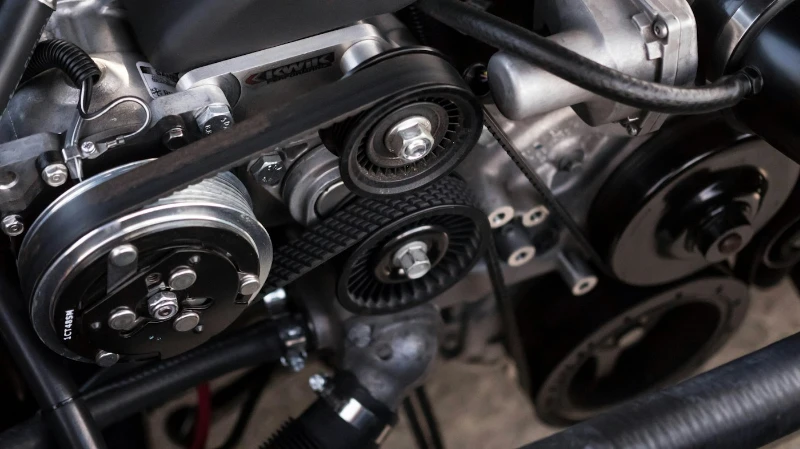
 AUTO
Automotive & Components
Assembly, machining, paint preparation, polishing and finished-surface care.
Product examples: cotton wiping cloth · poly-cotton wiping cloth · polyester microfiber towel · dual-pile microfiber towel
The same cloth is not ideal for heavy oil, finished surfaces and precision cleaning. We separate the decision by actual use.
AUTOAssembly, machining, paint preparation, polishing and finished-surface care.
Product examples: cotton wiping cloth · poly-cotton wiping cloth · polyester microfiber towel · dual-pile microfiber towel
 CNC
Cutting fluid, grease, chips, machine beds and tool maintenance.
Product examples: recycled knit rags · white greige wiping cloth · terry cloth wiper · high-absorbency nonwoven wiper
 STL
Heavy-duty maintenance, oil pickup and high-consumption cleaning.
Product examples: mixed white wiping cloth · composite fleece wiping cloth · heavy-duty industrial wipe
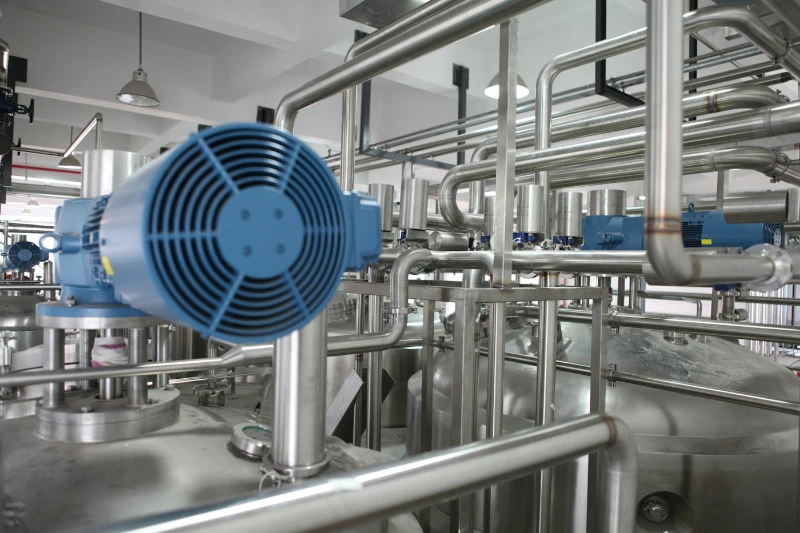 ENG
Equipment care, shutdown work, oil contamination and spill response.
Product examples: multipurpose jumbo wipe · lightweight absorbent wipe · center-pull wipe roll
 ELC
Lower-lint materials for sensitive components and controlled processes.
Product examples: polyester cleanroom wiper · microfiber cleanroom wiper · cleanroom microfiber wipe · antistatic wiping cloth · cellulose/polyester nonwoven wiper
 MRO
Standard supply for maintenance stores, production lines and distributors.
Product examples: thick microfiber towel · embossed industrial wipe · recycled hotel towel rags · recycled bed-sheet rags

Textile or reclaimed rags often provide the strongest cost-performance route.
Open matching selection →Microfiber constructions help protect appearance while improving pickup.
Open matching selection →Cleanroom and low-lint materials require closer process confirmation.
Open matching selection →Industrial paper and dispensing formats improve consistency and control.
Open matching selection →Use these guides to narrow wiping materials by contaminant, process, cleanliness requirement and operating cost.
Oil, coolant, dust and routine equipment maintenance.
Absorbency, wet strength and cost per wiping task.
Cutting fluid, metal fines, tooling and machine-bed cleaning.
Components, maintenance, paint-area and finished-surface wiping.
Lint, static control, solvents, edges and clean packaging.
Cleanliness data, particles, edge process and clean packaging.
Compare reuse, dispensing, waste and total operating cost.
Batch consistency, composition, cut size and cost trade-offs.
A process-first framework for selecting wiping materials.
Reduce waste by matching material and format to the task.
Practical wiping stock for maintenance stores and workshops.
The finder starts with only three core conditions.